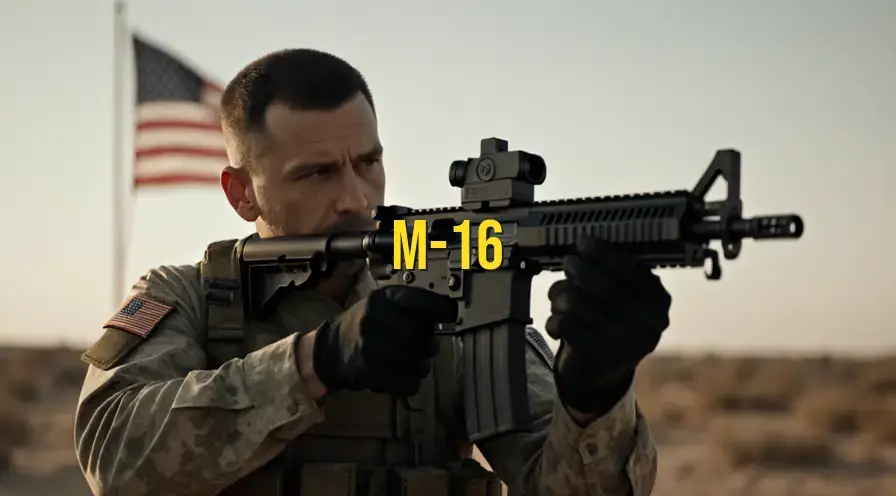
The M-16 is more than just a rifle - it is a symbol of American military heritage and a mainstay in the world of firearms. Whether you are a collector, a competitive shooter, or someone interested in buying firearms online, understanding the history, features, and legal considerations of the M-16 is essential. In this comprehensive guide, we break down everything you need to know about the M-16, from its origins to its modern-day commercial appeal.
The Legacy of the M-16: America’s Iconic Rifle
The M-16 has served as the backbone of the U.S. military for decades. Developed in the late 1950s by Eugene Stoner, the rifle quickly became the standard-issue firearm for American troops during the Vietnam War. Its lightweight design, high rate of fire, and compatibility with the 5.56x45mm NATO cartridge set it apart from its predecessors.
- First adopted by the U.S. Air Force in 1964
- Standard issue for the U.S. Army and Marine Corps by the late 1960s
- Continues to influence modern sporting rifles and AR-15 variants
M-16 Features: What Makes It Unique?
At its core, the M-16 is a gas-operated, magazine-fed, selective-fire rifle. Its modularity and reliability have made it a favorite among military and civilian shooters alike. Key features include:
- Direct impingement gas system for smooth cycling
- Lightweight aluminum receiver and synthetic furniture
- Detachable 20 or 30-round magazines
- Adjustable sights and compatibility with modern optics
For those looking to buy firearms online, understanding these features can help you make an informed decision about which M-16 variant or AR-15 style rifle best fits your needs.
M-16 vs. AR-15: Clearing Up the Confusion
Many new gun owners confuse the M-16 with the AR-15. While they share a common lineage, there are critical differences:
- M-16: Capable of fully automatic or burst fire (regulated under the National Firearms Act)
- AR-15: Civilian version, semi-automatic only
Owning a true M-16 requires strict compliance with federal law. Most civilian shooters opt for AR-15s, which offer similar ergonomics and performance without the legal complexities.
Commercial Appeal: Why the M-16 Still Matters
The M-16’s influence extends far beyond the battlefield. Its design has inspired countless commercial rifles, making it a top choice for:
- Competitive shooting and 3-Gun matches
- Home defense and personal protection
- Firearm collectors and enthusiasts
Platforms like American Gun Trader make it easier than ever to find M-16 style rifles and accessories. If you are interested in learning more about the online firearms marketplace, check out our guide to guns for sale and how to navigate listings safely.
Legal Considerations: Owning an M-16
Because the M-16 is a machine gun under federal law, ownership is heavily regulated. Here’s what you need to know:
- Must be manufactured and registered before May 19, 1986
- Requires a $200 tax stamp and ATF approval
- Background checks and local law compliance are mandatory
For most shooters, a semi-automatic AR-15 is the practical choice. However, if you are determined to own a registered M-16, consult a qualified FFL dealer and review the ATF’s National Firearms Act guidance for full details.
"The M-16 is a testament to American ingenuity and continues to shape the firearms industry both militarily and commercially."
– American Rifleman
Modern Upgrades and Customization
One of the M-16’s greatest strengths is its adaptability. Today’s shooters can customize their rifles with:
- Free-floating handguards
- Red dot sights and magnified optics
- Adjustable stocks and enhanced triggers
- Suppressors and muzzle devices (where legal)
Many of these upgrades are also available for AR-15s, making them a versatile platform for every application.
Buying an M-16 or AR-15: Tips for First-Time Buyers
If you are ready to enter the world of modern sporting rifles, keep these tips in mind:
- Research state and federal laws before purchasing
- Use reputable platforms like American Gun Trader
- Read reviews and compare features
- Consider your intended use: home defense, competition, or collecting
For a deeper dive into the process, our article on FFL licensing explains how to buy and sell firearms legally and efficiently.
Maintaining Your M-16: Best Practices
Proper maintenance is key to keeping your M-16 or AR-15 running reliably. Here are some essential steps:
- Regular cleaning of the barrel, bolt carrier group, and gas system
- Use quality lubricants and cleaning tools
- Inspect parts for wear and replace as needed
- Store your firearm securely and away from unauthorized users
Routine upkeep not only extends the lifespan of your rifle but also ensures peak performance when it matters most.
M-16 in American Culture
The M-16 is more than a tool - it is a cultural icon. From movies and TV shows to its place in military history, the rifle represents American resilience and innovation. Its continued popularity in the civilian market is a testament to its enduring legacy.
Conclusion: The Enduring Power of the M-16
The M-16 remains one of the most influential firearms in history. Whether you are a seasoned collector or a first-time buyer, understanding the M-16’s features, legal status, and commercial options is crucial. Explore the world of modern sporting rifles with confidence, and remember to always follow safe handling practices and local laws.
Ready to find your next rifle or upgrade your collection? Visit American Gun Trader for the best deals, expert advice, and a thriving community of enthusiasts. Your next great firearm is just a click away!


Comments
This article has 8 comments. Login to share your thoughts!
Login to CommentJoin the discussion and connect with other members