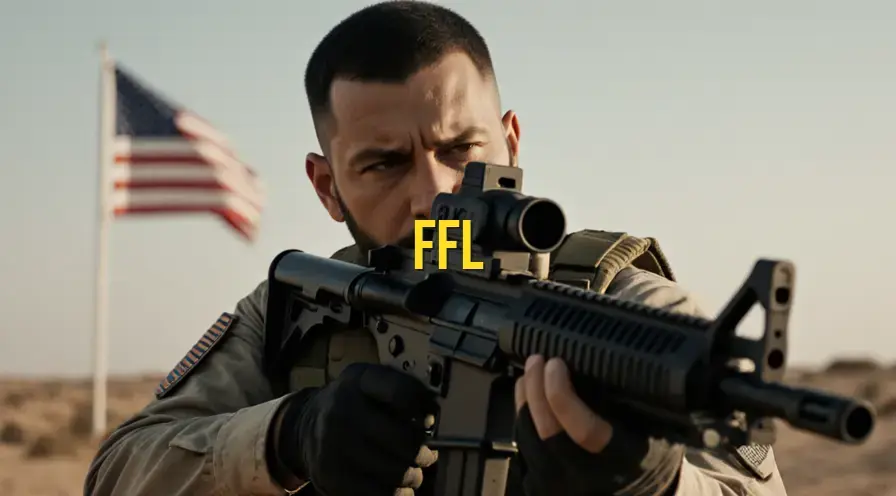
Understanding the FFL licensing process is essential for any firearm enthusiast or entrepreneur looking to buy, sell, or transfer firearms legally in the United States. Whether you are aiming to open a gun shop, become a collector, or simply want to stay compliant with federal law, securing your Federal Firearms License (FFL) is the first step. In this comprehensive guide, we break down everything you need to know about the FFL process, requirements, and tips for success in 2024.
What is an FFL and Why Do You Need One?
The Federal Firearms License, commonly known as an FFL, is a certification issued by the Bureau of Alcohol, Tobacco, Firearms and Explosives (ATF) that allows individuals and businesses to engage in activities such as manufacturing, importing, or selling firearms and ammunition. Without an FFL, it is illegal to conduct most commercial firearm transactions. The FFL system was established under the Gun Control Act of 1968 to ensure that only responsible parties handle the sale and distribution of firearms.
Types of FFL Licenses
There are several types of FFL licenses, each tailored to specific activities within the firearms industry. Here are the most common:
- Type 01: Dealer in firearms other than destructive devices
- Type 02: Pawnbroker in firearms
- Type 07: Manufacturer of firearms other than destructive devices
- Type 08: Importer of firearms other than destructive devices
Choosing the right license depends on your business model and long-term goals. For a more detailed breakdown, check out our FFL License Types guide.
Step-by-Step Guide to the FFL Licensing Process
Securing your FFL can seem daunting, but breaking it down into actionable steps makes the process manageable:
- Determine Your Business Structure: Decide if you will operate as a sole proprietor, LLC, or corporation. This will affect your application and compliance requirements.
- Meet Zoning and Local Requirements: Contact your local zoning office to ensure your location is approved for firearm sales or manufacturing.
- Complete the ATF Application: Fill out ATF Form 7 (Application for Federal Firearms License) and submit the required fee.
- Fingerprinting and Photographs: Submit fingerprints and passport-style photos for all responsible persons.
- Background Check: The ATF will conduct a thorough background check on all applicants.
- ATF Interview: An Industry Operations Investigator (IOI) will schedule an in-person interview to review your application and ensure compliance.
- Approval and Compliance: If approved, you will receive your FFL. Maintain strict records and adhere to all ATF regulations to keep your license in good standing.
Common Challenges and How to Overcome Them
Many applicants face hurdles during the FFL process, such as zoning issues, incomplete paperwork, or failing the background check. Here are some tips to help you succeed:
- Double-check all forms for accuracy before submission.
- Establish a clear business plan and keep detailed records.
- Stay up to date on federal, state, and local firearm laws.
- Consult with legal professionals or FFL consultants if you have questions.
How Long Does It Take to Get an FFL?
The FFL application process typically takes 60 to 90 days from the time you submit your application to final approval. Factors such as application completeness, background checks, and local zoning compliance can impact the timeline.
Maintaining Compliance: Recordkeeping and Inspections
Once you have your FFL, ongoing compliance is critical. The ATF requires meticulous recordkeeping, including acquisition and disposition logs, background check documentation, and regular inventory audits. Be prepared for periodic ATF inspections to ensure you are following all regulations.
Benefits of Having an FFL
- Access to wholesale firearm pricing
- Ability to legally transfer, buy, and sell firearms
- Opportunities to expand into gunsmithing or manufacturing
- Enhanced credibility and trust with customers
FFL and the Role of American Gun Trader
Platforms like American Gun Trader make it easier for licensed dealers and individuals to connect, list, and purchase firearms legally. With an FFL, you can take advantage of these online marketplaces to grow your business and reach a wider audience. For those interested in expanding their online presence, our guide on FFL Plugin for WooCommerce is a must-read.
FFL vs. Private Sales: What You Need to Know
While private firearm sales between individuals may be legal in some states, an FFL is required for commercial transactions and interstate sales. Always check your state laws and understand when an FFL transfer is necessary to stay compliant and avoid legal trouble.
Frequently Asked Questions About FFL Licensing
- Do I need an FFL to sell guns online? Yes, if you are selling as a business or across state lines, an FFL is required.
- Can I get an FFL for personal use? The ATF requires that you have a business intent, not just personal collection.
- What disqualifies you from getting an FFL? Felony convictions, certain misdemeanors, and restraining orders can disqualify applicants.
- How much does it cost to get an FFL? Fees range from $30 to $200 depending on license type, with renewals every three years.
"Obtaining an FFL is a significant responsibility, but it opens doors for those passionate about the firearms industry."
– atf.gov
Conclusion: Take the Next Step Toward FFL Success
Securing your FFL is a game-changer for anyone serious about firearms sales or collection. By understanding the process, staying compliant, and leveraging resources like American Gun Trader, you can build a reputable and successful business. Ready to get started? Dive deeper into our resources and join a community of responsible firearm professionals today!


Comments
This article has 8 comments. Login to share your thoughts!
Login to CommentJoin the discussion and connect with other members