Discover everything about 556 ammo - history, ballistics, buying tips, and legal info for shooters and collectors. Get expert advice and join our community!
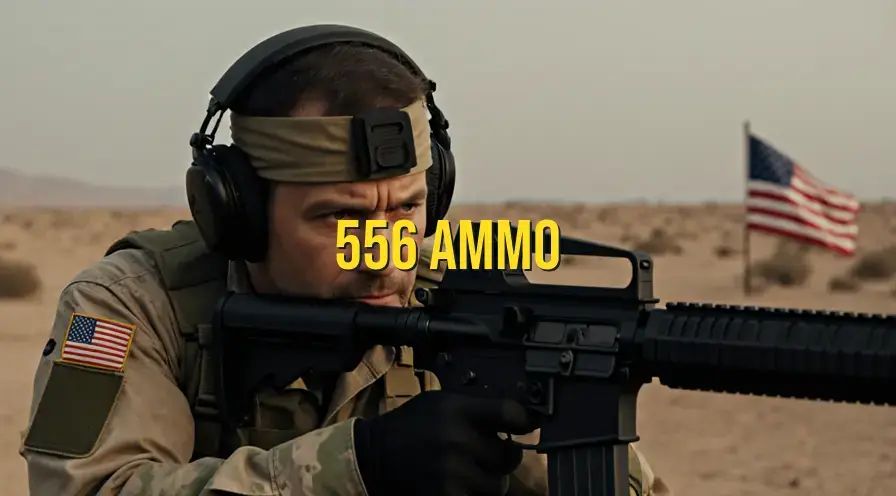
When it comes to modern rifles, few calibers are as iconic or widely discussed as 556 ammo. Whether you are a seasoned shooter, a tactical enthusiast, or a collector, understanding 556 ammo is essential for making informed purchases and maximizing your shooting experience. In this definitive guide, we will break down everything you need to know about 556 ammo, from its history and ballistics to buying tips and legal considerations. If you are looking for the best deals or simply want to expand your firearm knowledge, read on.
What Is 556 Ammo?
556 ammo, officially known as 5.56x45mm NATO, is a rifle cartridge developed in the late 20th century for military and civilian use. It is the standard round for the AR-15 and M16 platforms, making it one of the most popular rifle cartridges in America. Its close cousin, the .223 Remington, is similar but not always interchangeable due to differences in chamber pressure and case dimensions.
556 Ammo vs. 223 Remington: Key Differences
Chamber Pressure: 556 NATO rounds are loaded to higher pressures than .223 Remington.
Chamber Dimensions: 556 chambers have a longer throat, allowing for the higher pressure and longer bullets.
Interchangeability: You can safely shoot .223 Remington in a 5.56 NATO chamber, but not always the reverse.
For a more in-depth look at rifles that use these calibers, check out our AR10 guide, which highlights another popular rifle platform among American shooters.
The History and Evolution of 556 Ammo
The 5.56x45mm NATO cartridge was developed in the late 1950s and adopted by the U.S. military in the 1960s. It quickly became the standard for NATO forces, replacing the heavier 7.62x51mm NATO. The lighter 556 ammo allowed soldiers to carry more rounds, improved controllability in automatic fire, and maintained effective terminal ballistics at combat ranges.
Ballistics and Performance
Velocity: Typical muzzle velocity ranges from 2,900 to 3,200 feet per second (fps).
Energy: Delivers approximately 1,200-1,400 foot-pounds of energy at the muzzle.
Effective Range: Effective out to 500-600 yards for point targets.
Accuracy: Known for its flat trajectory and manageable recoil.
Types of 556 Ammo
There are several types of 556 ammo, each suited for different purposes:
FMJ (Full Metal Jacket): Standard military and range round.
HP (Hollow Point): Designed for expansion and increased stopping power.
Green Tip (M855): Features a steel penetrator for enhanced armor penetration.
Tracer: Visible trajectory for training and signaling.
Commercial and Informational Buying Tips
Buy from reputable sources like American Gun Trader to ensure quality and legality.
Check for bulk deals to save on cost per round.
Store ammo in a cool, dry place to maintain reliability.
Always verify your firearm's chamber compatibility before purchasing.
Legal Considerations for 556 Ammo
While 556 ammo is legal in most states, always check your local and state regulations regarding ammunition purchases, magazine capacities, and storage requirements. Some states have restrictions on armor-piercing or tracer rounds.
556 Ammo for Shooters: Range and Home Defense
For range shooting, 556 ammo offers consistent accuracy and low recoil, making it ideal for training and competition. For home defense, its high velocity and fragmentation can be effective, but overpenetration is a concern - always consider your environment and backstop.
556 Ammo for Collectors
Collectors often seek out surplus military 556 ammo, rare headstamps, or limited production runs. Proper storage and documentation can enhance the value of collectible ammunition over time.
"The 5.56x45mm NATO cartridge has become the backbone of modern sporting rifles, offering a balance of power, range, and controllability that few other calibers can match." – American Rifleman
556 Ammo and the American Gun Trader Community
At AmericanGunTrader.com, we see a steady demand for 556 ammo among both new shooters and experienced collectors. The versatility of this round makes it a top choice for AR-15 owners, hunters, and those interested in self-defense. Our platform connects buyers and sellers, ensuring you get the best value and selection.
Frequently Asked Questions
Is 556 ammo the same as .223? No, but they are similar. Always check your firearm's chamber marking.
Can I use 556 ammo in a .223 rifle? Not recommended due to higher pressure. Use .223 in .223 chambers.
What is the best 556 ammo for home defense? Consider soft point or hollow point rounds for reduced overpenetration.
Where can I buy 556 ammo online? Reputable sites like American Gun Trader are a great starting point.
Conclusion: Make the Most of Your 556 Ammo Experience
Whether you are a shooter looking for reliable range ammo or a collector seeking rare finds, 556 ammo remains a top choice in the American firearms market. Stay informed, buy smart, and always practice safe shooting. Ready to upgrade your arsenal or find the best deals? Visit AmericanGunTrader.com and join the community of responsible gun owners today!
Frequently Asked Questions
11
This American Gun Trader editorial article explains 556 Ammo — Buyer Guide for buyers, sellers, and collectors who use online gun classifieds. We focus on practical, lawful guidance — how listings work, when an FFL transfer is required, and what state or federal rules commonly apply — not hype or unverified rumors. American Gun Trader is a free marketplace with moderated messaging and hand-reviewed ads; we publish guides and news to help the community trade safely. If you are buying, compare live listings nationwide and message sellers on-platform before arranging a transfer through a licensed dealer when required. If you are selling, post accurate photos and condition notes at zero commission on private sales. Laws change by state and locality, so treat this article as educational context and confirm current statutes before any transfer. Editorial updates are noted on-page when facts or regulations shift.
The primary difference is pressure. 5.56x45mm NATO cartridges are loaded to a higher pressure specification than.223 Remington rounds. Because of this, rifles chambered for 5.56 have a slightly different chamber with a longer throat to safely accommodate that pressure. While you can safely fire.223 in a 5.56 rifle, firing a 5.56 round in a rifle chambered only for.223 is not recommended and can be unsafe. Always confirm your firearm's chamber markings before use.
The term "green tip" refers to the M855 cartridge, a military-designated 5.56 round. Its defining feature is a 62-grain full metal jacket bullet with a small steel penetrator core at the tip, which is painted green for identification. This design gives it enhanced penetration capabilities against light barriers compared to standard lead-core FMJ rounds. Due to its characteristics, some jurisdictions have specific regulations regarding its sale and use, so it's wise to check local laws before purchasing.
The effective range of 5.56 ammo depends on the specific load, barrel length, and target. Generally, standard military-style loads are considered effective for hitting point targets out to 500-600 yards from a rifle with a suitable barrel. The cartridge is known for its relatively flat trajectory within this range, which aids in accuracy. However, factors like wind and shooter skill play a significant role in achieving hits at these extended distances.
Yes, 5.56 can be effective for home defense, but ammunition choice is critical. Standard FMJ (Full Metal Jacket) rounds have a high risk of overpenetration through interior walls, potentially endangering others. For home defense, it's better to use rounds designed for controlled expansion, such as hollow point (HP) or soft point (SP) ammunition. These bullets are designed to transfer their energy to the target and reduce the risk of passing through walls.
FMJ stands for Full Metal Jacket. In 5.56 ammo, this means the lead core of the bullet is encased in a harder metal shell, typically a copper alloy. This design prevents lead fouling in the barrel and ensures the bullet maintains its shape upon impact, leading to deeper penetration. FMJ is the most common type of 5.56 ammunition and is primarily used for target practice, training, and military applications. A common example is the M193 cartridge, which uses a 55-grain FMJ bullet.
Yes, legal restrictions on tracer ammunition can exist. While federal law doesn't outright ban them for civilians, several states and local municipalities have specific laws prohibiting their sale or possession. Tracers contain a pyrotechnic compound that ignites upon firing, creating a visible trail. This poses a significant fire hazard, especially in dry conditions, which is why many shooting ranges and public lands also forbid their use. Always verify your state and local regulations before attempting to purchase or use tracer rounds.
The muzzle energy of a 5.56 round varies based on the specific load and the barrel length of the firearm it's fired from. However, a typical range for standard 5.56 ammunition is between 1,200 and 1,400 foot-pounds (ft-lbs) of energy right at the muzzle. This energy, combined with its high velocity, is what contributes to its terminal performance. For comparison, this is significantly more energy than most handgun cartridges, making it a potent round for its small size.
Collectible 5.56 ammo is often sought after for its historical significance, rarity, or unique characteristics. This can include early-production military surplus cartridges from specific conflicts, rounds with unusual headstamps from different countries or manufacturers, or limited-production runs of specialized ammunition. For instance, early experimental rounds from the development of the AR-15 platform are highly prized. Proper storage is key to preserving the condition and value of these collectible cartridges for other enthusiasts.
Buying in bulk is the most effective way to lower your cost per round. Look for ammunition sold in cases of 500 or 1,000 rounds rather than individual 20-round boxes. Sellers often provide a significant discount for these larger quantities. You can also watch for sales and special promotions on platforms that connect private sellers and dealers. Pooling an order with friends can also help you meet the minimum for a bulk purchase and share the savings.
No, you cannot use 5.56 ammo in an AR-10. The AR-10 platform is designed for larger, more powerful rifle cartridges, most commonly the 7.62x51mm NATO or.308 Winchester. The 5.56x45mm cartridge is physically incompatible with the AR-10's chamber, bolt, and magazine. The AR-15 is the correct platform for the 5.56 round. Attempting to use the wrong ammunition in any firearm is extremely dangerous and can lead to catastrophic failure of the weapon.
Keep Researching Before You Buy or Sell
Use these AGT guides to turn the legal basics into a compliant next step.

Comments
This article has 8 comments. Login to share your thoughts!
Login to CommentJoin the discussion and connect with other members