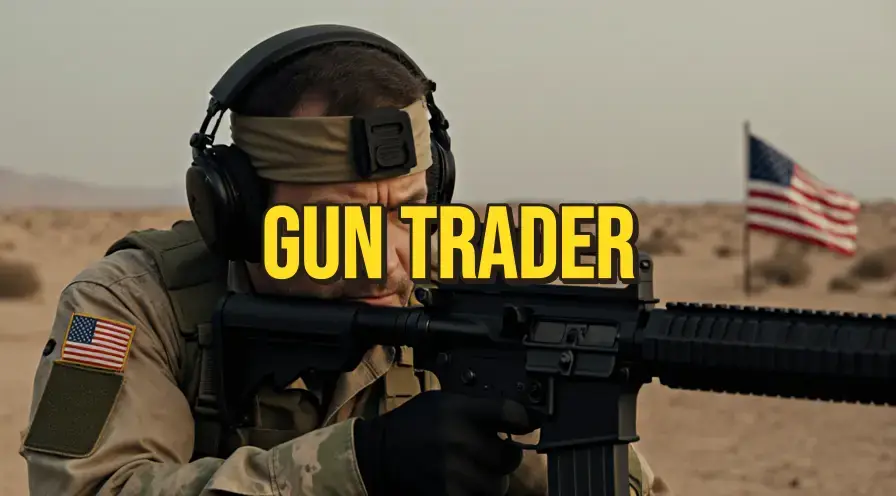
The landscape of firearms acquisition and divestment is complex, with a robust online marketplace serving as a central hub for enthusiasts, collectors, and individuals seeking to responsibly transfer ownership. Understanding the nuances of this market, from identifying reputable platforms to navigating legalities and discerning value, is paramount for a successful transaction. This article delves into the data-driven strategies that empower users to optimize their gun trader experience, ensuring informed decisions and secure dealings.
What is a gun trader and how does it function?
A gun trader is an individual or entity facilitating the buying, selling, or exchanging of firearms. Online gun trader platforms serve as digital marketplaces connecting sellers with potential buyers. These platforms typically involve listing firearms with detailed descriptions, images, and pricing. Transactions often necessitate adherence to federal, state, and local regulations, including background checks for transfers between private parties where required by law.
Understanding Market Dynamics: Inventory and Pricing Trends
In our marketplace data, we observe consistent trends in firearm inventory and pricing that are crucial for both buyers and sellers to understand. Factors such as new model releases, seasonal demand, and broader economic conditions can significantly influence market activity. For instance, during periods of heightened interest in specific firearm types, such as modern sporting rifles or classic revolvers, inventory levels may fluctuate, and prices can see upward adjustments.
Analyzing Popular Firearm Categories
Our analysis of recent listings reveals a sustained interest in several key firearm categories. Modern sporting rifles, characterized by their modularity and versatility, consistently represent a significant portion of the market. Handguns, encompassing semi-automatic pistols and revolvers, also maintain a strong presence, catering to a wide range of applications from self-defense to sport shooting. Furthermore, hunting rifles and shotguns experience predictable seasonal demand, particularly preceding and during hunting seasons.
Factors Influencing Firearm Valuations
Determining the fair market value of a firearm involves a multi-faceted assessment. Key indicators include the make and model, condition (both mechanical and cosmetic), rarity, included accessories, and any modifications. NIB (New In Box) examples command a premium, while firearms with significant wear or damage will naturally be valued lower. Limited edition runs or historically significant pieces can also deviate from standard valuation models, often fetching prices well above typical market rates.
Navigating the Legal Framework of Firearm Transactions
Engaging in the gun trader marketplace necessitates a thorough understanding of federal, state, and local firearm laws. These regulations are designed to promote public safety and prevent firearms from falling into prohibited hands. Key among these is the National Firearms Act (NFA), which governs certain types of firearms, and the Brady Handgun Violence Prevention Act, which mandates federal background checks for firearm purchases from licensed dealers.
Federal Regulations and Background Checks
Federal law requires licensed firearms dealers (FFLs) to conduct background checks on purchasers through the FBI's National Instant Criminal Background Check System (NICS). For private party sales, the requirement for a background check varies significantly by state. Some states mandate that private sellers use an FFL to facilitate the transfer, ensuring a background check is performed, while others do not have this requirement, though it is always advisable to proceed with caution and verify buyer eligibility.
State-Specific Firearm Laws
Beyond federal mandates, each state maintains its own set of firearms laws. These can include restrictions on certain types of firearms (e.g., assault weapon bans), magazine capacity limitations, waiting periods for purchases, and specific licensing or registration requirements. It is incumbent upon individuals to research and comply with the laws of their respective state and the state of the buyer or seller, as applicable.
Technical Specifications and Model Comparisons
For the discerning buyer or seller, understanding the technical specifications of firearms is vital. This knowledge aids in accurate listing descriptions, informed purchasing decisions, and effective negotiation. Below is a comparative table highlighting key specifications of popular firearm models across different categories.
| Model | Type | Caliber | Barrel Length (in) | Action | Capacity | Weight (oz) |
|---|---|---|---|---|---|---|
| Smith & Wesson M&P Shield EZ | Semi-Automatic Pistol | .380 ACP | 3.68 | Striker-Fired | 8+1 | 23.2 |
| Glock 19 Gen 5 | Semi-Automatic Pistol | 9mm Luger | 4.02 | Striker-Fired | 15+1 | 21.5 |
| Ruger 10/22 | Semi-Automatic Rifle | .22 LR | 18.5 | Semi-Auto | 10 | 4.75 lbs |
| AR-15 (Various Manufacturers) | Semi-Automatic Rifle | .223 Remington / 5.56x45mm NATO | 16.0 - 20.0 | Semi-Auto | 30+ | 6.5 - 8.0 lbs |
| Mossberg 500 | Pump-Action Shotgun | 12 Gauge | 18.5 - 28.0 | Pump-Action | 5+1 - 8+1 | 6.5 - 7.5 lbs |
Understanding Firearm Features
When evaluating firearms, certain features carry significant weight. For pistols, the trigger mechanism (striker-fired vs. hammer-fired), frame material (polymer vs. metal), and sights (fixed vs. adjustable) are common points of differentiation. Rifles are often distinguished by their gas system (direct impingement vs. piston), barrel profiles, and stock configurations. Understanding these technical aspects allows for a more precise assessment of a firearm's intended use and performance characteristics.
Best Practices for a Secure Gun Trader Experience
To ensure a safe and successful transaction within the gun trader marketplace, adhering to best practices is essential. This includes due diligence in vetting sellers and buyers, clear communication, and secure payment and shipping methods. Online platforms often provide user ratings and reviews, which can be invaluable tools for assessing the reliability of other participants.
Vetting Sellers and Buyers
Thoroughly vetting counterparties is the first line of defense. For sellers, this involves checking user feedback, looking for established account histories, and being wary of listings that seem too good to be true. For buyers, sellers should verify the buyer's legitimacy, potentially through communication and confirming adherence to all legal transfer requirements. Licensed dealers offer an additional layer of security, as they are regulated entities.
Secure Payment and Shipping Protocols
When conducting transactions, particularly those involving shipping, utilizing secure payment methods is critical. Escrow services can provide an added layer of protection for both parties. For shipping, adhere strictly to all federal, state, and carrier regulations regarding the transport of firearms. This typically involves shipping to a licensed FFL in the recipient's state, who will then conduct the necessary background check and transfer.
The Role of Licensed Dealers in the Marketplace
Licensed firearms dealers (FFLs) play a pivotal role in the gun trader ecosystem, offering a regulated and secure pathway for transactions. They are equipped to handle the complexities of federal and state laws, ensuring all transfers are compliant. For individuals who are not comfortable with private sales or wish to ensure legal compliance, utilizing an FFL for transfers is a highly recommended practice.
FFL Transfers and Compliance
When a firearm is transferred between private individuals, and especially when crossing state lines, an FFL is often required to facilitate the transaction. The FFL will conduct the NICS background check on the buyer, ensuring they are legally permitted to own a firearm. This process not only ensures compliance but also provides a documented record of the transfer, contributing to overall firearm safety and accountability.
Conclusion: Empowering Your Gun Trader Journey
The gun trader marketplace offers a dynamic environment for acquiring and divesting firearms. By leveraging data-driven insights into market trends, understanding the intricate legal frameworks, appreciating technical specifications, and adhering to best practices for security and compliance, individuals can navigate this space with confidence and achieve successful outcomes. A commitment to informed participation ensures a responsible and efficient experience for all parties involved.

Comments
No comments yet. Be the first to share your thoughts!
Login to CommentJoin the discussion and connect with other members