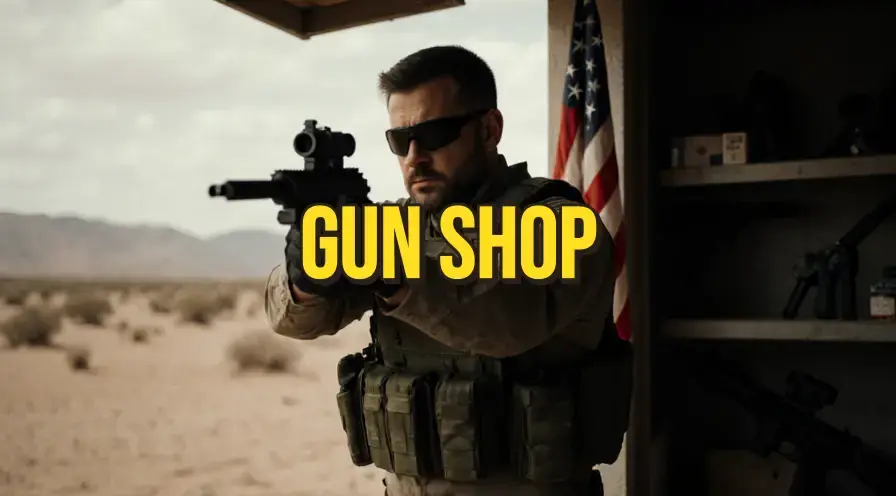
The local gun shop serves as a critical nexus for firearm enthusiasts, collectors, and individuals seeking self-defense tools. Beyond simply facilitating transactions, these establishments offer a range of services and product expertise that are often misunderstood or overlooked. Understanding the nuances of their inventory, operational considerations, and client support is key to making informed purchasing decisions and fostering responsible firearm ownership.
What is a gun shop and what services do they offer?
A gun shop is a retail establishment specializing in the sale of firearms, ammunition, and related accessories. Beyond retail, many gun shops offer essential services such as firearm transfers, gunsmithing, firearm cleaning and maintenance, safety training courses, and expert advice on firearm selection and legal compliance. Their role extends to being a local resource for responsible gun ownership within their communities.
Inventory Management and Acquisition Strategies
The Core of the Business: Firearm Inventory
The firearm inventory within a gun shop is a dynamic reflection of market demand, regional preferences, and the dealer's specific business model. Based on current inventory trends observed across our marketplace data, there's a consistent demand for versatile semi-automatic pistols suitable for concealed carry and home defense. These often include popular models known for reliability and capacity, such as those chambered in 9mm Luger.
Bolt-action rifles remain a staple, particularly for hunters and precision shooting enthusiasts. Inventory in this category frequently features models with various action types, barrel lengths, and stock materials, catering to diverse shooting disciplines. The resurgence of interest in lever-action rifles, driven by both nostalgia and practical applications for hunting and general utility, also influences stocking decisions.
Ammunition and Accessories: Essential Complementary Stock
Ammunition sales are intrinsically linked to firearm sales. Gun shops maintain a broad spectrum of calibers, from common handgun rounds like .45 ACP and .40 S&W to rifle cartridges such as .223 Remington/5.56x45mm NATO and .308 Winchester/7.62x51mm NATO. Specialty ammunition, including defensive hollow-point rounds and various hunting loads, is also a significant component of their stock.
Accessory inventory is equally diverse. This typically includes optics (red dot sights, scopes), tactical gear (holsters, slings, weapon lights), cleaning kits, gun safes, and personal protective equipment. The demand for aftermarket parts, such as enhanced triggers, sights, and grips, reflects the growing trend of firearm customization.
Specialty Firearms and Collectibles
Some gun shops differentiate themselves by stocking specialty firearms. This can include antique firearms, tactical shotguns, competition-grade handguns, or firearms designed for specific niches like cowboy action shooting. Collector-grade firearms, often characterized by historical significance, rarity, or unique craftsmanship, can also be found, attracting a dedicated segment of the market.
Operational Considerations and Services
Firearm Transfers and Background Checks
A fundamental service offered by gun shops is the facilitation of firearm transfers, especially for online purchases or private party sales. This process involves a Federal Firearm License (FFL) holder receiving a firearm shipped from another FFL or seller. The transfer necessitates a background check via the National Instant Criminal Background Check System (N
Gunsmithing and Maintenance Services
Many gun shops employ or contract with skilled gunsmiths to offer a range of repair, customization, and maintenance services. This can include routine cleaning and lubrication, sight installation, trigger work, stock repair, and even full restoration of older firearms. The availability and quality of gunsmithing services are significant value-adds for customers.
Firearm Safety Training and Education
Responsible firearm ownership begins with proper education. Reputable gun shops are often hubs for firearm safety courses, including basic handgun safety, concealed carry permit classes, and marksmanship training. These courses are crucial for new firearm owners and serve as a refresher for experienced individuals, promoting safe handling and storage practices.
Expert Consultation and Guidance
One of the most invaluable services a gun shop provides is expert advice. Staff members, often with extensive personal experience and technical knowledge, can guide customers through the selection process. They assess a buyer's intended use, experience level, and budget to recommend suitable firearms and accessories, ensuring a safe and appropriate purchase.
Market Dynamics and Consumer Trends
Impact of Regulatory Changes on Inventory
In our marketplace data, it's evident that proposed or enacted regulatory changes can significantly influence inventory levels and consumer purchasing behavior. Periods of heightened legislative debate often precede spikes in demand for specific types of firearms or accessories as consumers anticipate potential restrictions. This can lead to temporary shortages or increased prices.
The Rise of Online Retail and Its Influence
The digital landscape has reshaped how consumers research and purchase firearms. While online retailers offer convenience and often competitive pricing, local gun shops provide tangible benefits: the ability to handle firearms before purchase, immediate acquisition (post-background check), and personalized expert advice. The interplay between online and brick-and-mortar sales continues to evolve, with many consumers utilizing online resources for research before visiting a local dealer.
Demographic Shifts in Firearm Ownership
Recent inventory data and sales analysis suggest a diversification in the demographic profile of firearm owners. There's a notable increase in interest from women and younger individuals, influencing the types of firearms and accessories that are in demand. Compact handguns, firearms with adjustable stocks for varying user sizes, and user-friendly operation become more prominent considerations.
Key Firearm Categories: A Comparative Overview
To illustrate the diversity within a typical gun shop's offerings, consider this comparative table of popular firearm categories. This table highlights key specifications that differentiate models and inform purchasing decisions.
| Category | Typical Calibers | Common Action Type | Primary Use Case | Average Barrel Length (Inches) | Typical Capacity (Rounds) |
|---|---|---|---|---|---|
| Semi-Automatic Pistol (Compact) | 9mm Luger, .40 S&W, .45 ACP | Striker-Fired, Recoil-Operated | Concealed Carry, Self-Defense | 3.0 - 4.5 | 10 - 17 |
| Semi-Automatic Pistol (Full-Size) | 9mm Luger, .40 S&W, .45 ACP | Striker-Fired, Recoil-Operated | Home Defense, Competition, Duty | 4.0 - 5.5 | 15 - 20 |
| Bolt-Action Rifle | .223 Rem/5.56 NATO, .308 Win/7.62 NATO, .30-06 Springfield, .270 Winchester | Bolt-Action | Hunting, Precision Shooting, Target Practice | 18 - 26 | 3 - 10 |
| Lever-Action Rifle | .30-30 Winchester, .357 Magnum, .44 Magnum, .45-70 Government | Lever-Action | Hunting (Close to Medium Range), Trail Guns, Historical Applications | 16 - 24 | 5 - 10 |
| Semi-Automatic Shotgun | 12 Gauge, 20 Gauge | Gas-Operated, Recoil-Operated | Hunting, Sport Shooting (Skeet/Trap), Home Defense | 18 - 30 | 4 - 8 |
Conclusion: The Enduring Value of Local Gun Shops
In an era of digital convenience, the local gun shop continues to offer irreplaceable value. Their curated inventory, combined with expert knowledge, essential services, and a commitment to responsible firearm practices, positions them as vital community resources. For any firearm-related need, from initial purchase to ongoing maintenance and education, consulting with a knowledgeable professional at a trusted local gun shop remains an optimal strategy for the discerning firearm owner.

Comments
No comments yet. Be the first to share your thoughts!
Login to CommentJoin the discussion and connect with other members