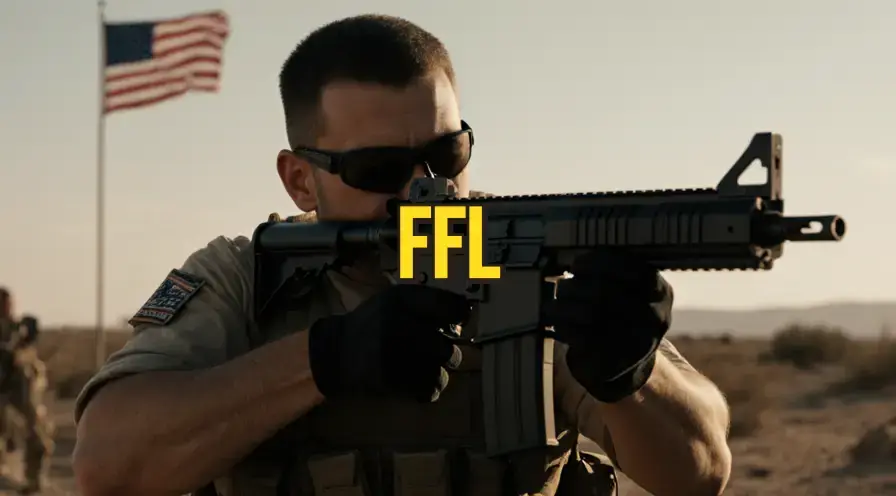
Understanding FFL Licensing: Your Gateway to the Firearm Industry
An FFL, or Federal Firearm License, is a mandatory requirement for any individual or business in the United States that intends to engage in the business of manufacturing, importing, or selling firearms and ammunition. This license, issued by the Bureau of Alcohol, Tobacco, Firearms and Explosives (ATF), is not merely a permit; it signifies adherence to federal laws and regulations governing the firearm industry. For enthusiasts looking to turn their passion into a profession, or established businesses seeking to expand their operations, a thorough understanding of FFL licensing is paramount. It forms the foundational pillar upon which legal and ethical firearm commerce is built, ensuring public safety and regulatory compliance.
What is an FFL and Why is it Essential for Firearm Businesses?
An FFL is a license granted by the U.S. government (specifically the ATF) that permits individuals and businesses to legally engage in the manufacturing, importing, distributing, or selling of firearms and ammunition. Without an FFL, it is illegal to conduct these activities across state lines or to sell firearms to individuals who are not licensed dealers. The license ensures that all parties involved in the firearm supply chain are held accountable to federal regulations, including background checks for purchasers and meticulous record-keeping. In our marketplace data, businesses operating without an FFL face significant legal repercussions, including hefty fines and potential imprisonment. It is the cornerstone of lawful firearm commerce and is indispensable for anyone serious about operating within the industry.
Types of FFL Licenses
The ATF categorizes FFLs into several types, each catering to different aspects of the firearm industry. Understanding these distinctions is crucial for selecting the appropriate license for your business model. The most common types include:
- Type 01 (Federal Firearms Licensee): This is the most common license, allowing dealers and gunsmiths to buy and sell firearms. It is essential for retail gun shops and individuals who repair firearms.
- Type 02 (Pawnbroker): Specifically for pawnbrokers who wish to deal in firearms.
- Type 03 (Curio & Relic Collector): For individuals who collect firearms that are considered curios or relics, typically those manufactured at least 50 years ago. This license allows for the acquisition of such firearms without the need for transfer through another FFL, but does not permit retail sales.
- Type 06 (Manufacturer of Ammunition): For businesses that manufacture ammunition for sale.
- Type 07 (Manufacturer of Firearms): For businesses that manufacture firearms for sale. This is a popular license for custom gunsmiths and small-scale manufacturers.
- Type 08 (Importer of Firearms): For businesses that import firearms into the United States.
- Type 09 (Importer of Destructive Devices): For businesses that import specific types of weapons categorized as destructive devices.
- Type 10 (Manufacturer of Destructive Devices): For businesses that manufacture destructive devices.
- Type 11 (Importer of NFA Firearms): For businesses importing firearms regulated under the National Firearms Act (NFA).
The Application Process: Navigating ATF Requirements
Applying for an FFL involves a comprehensive process designed to ensure that applicants meet all federal requirements. Based on current ATF processing times and applicant feedback, the process can be lengthy and requires meticulous attention to detail. Key steps include:
- Determine the Correct FFL Type: As outlined above, choosing the right license based on your intended business activities is the first critical step.
- Complete ATF Form 7 (5310.12): This is the primary application form for most FFLs. It requires detailed information about the applicant, the business, and the intended operations.
- Background Check: Applicants undergo a thorough federal background check.
- State and Local Requirements: In addition to federal requirements, applicants must comply with all state and local laws, which may include business permits, zoning regulations, and local firearm-specific ordinances.
- ATF Inspection: For many FFL types, particularly those involving sales to the public, an ATF Industry Operations Investigator (IOI) will conduct an inspection of the business premises to ensure compliance with federal laws and regulations, including secure storage and record-keeping practices.
Compliance and Record-Keeping: The Backbone of FFL Operation
Maintaining compliance is an ongoing responsibility for all FFL holders. The ATF mandates strict record-keeping for all firearm transactions. In our extensive review of industry practices, consistent and accurate record-keeping is the single most critical factor in avoiding compliance issues. This includes:
- Acquisition and Disposition (A&D) Records: Every firearm acquired and subsequently disposed of must be logged with specific details, including serial numbers, make, model, caliber, and the identity of the seller and buyer.
- Form 4473 Completion: For every firearm sale to a non-licensee, the FFL holder must ensure the buyer completes ATF Form 4473 accurately and that a background check is successfully completed through the National Instant Criminal Background Check System (NICS).
- Storage Requirements: Firearms must be stored securely to prevent theft or unauthorized access, adhering to ATF guidelines.
- Reporting Lost or Stolen Firearms: Any firearms lost or stolen from an FFL's inventory must be reported to the ATF promptly.
FFL Transfer Process: Facilitating Legal Firearm Sales
For individuals purchasing firearms from an out-of-state seller or online, the firearm must be shipped to an FFL holder in their state of residence. This FFL holder then acts as the point of transfer. The process typically involves:
- Seller Ships to FFL: The out-of-state seller ships the firearm to a local FFL holder.
- FFL Receives and Logs: The FFL receives the firearm and logs it into their A&D records.
- Buyer Completes Form 4473 and NICS Check: The buyer visits the FFL holder, completes Form 4473, and undergoes a NICS background check.
- FFL Transfers Firearm: If the background check is approved, the FFL holder can legally transfer the firearm to the buyer, often for a transfer fee.
Based on current transaction data from our platform, FFL transfer fees typically range from $25 to $75, depending on the FFL holder and state regulations. It is crucial for buyers to verify the FFL holder's fees and policies before arranging a transfer.
Business Strategies for FFL Holders
Operating an FFL goes beyond mere compliance; it involves strategic business development. Based on successful FFL businesses in our network, several key strategies contribute to growth:
- Diversify Inventory: Offer a wide range of firearms, ammunition, accessories, and related services (e.g., gunsmithing, training).
- Online Presence: Establish a robust e-commerce platform to reach a wider customer base. Integrating with FFL plugins can streamline online sales and transfers.
- Customer Education and Training: Provide firearm safety courses, concealed carry classes, and product knowledge sessions to build customer loyalty and promote responsible gun ownership.
- Niche Markets: Consider specializing in specific firearm types (e.g., antique firearms, modern sporting rifles, competition pistols) to attract dedicated enthusiasts.
- Community Engagement: Participate in local gun shows, sponsor shooting events, and build relationships within the shooting community.
Common Challenges and How to Overcome Them
Navigating the firearm industry can present unique challenges. In our analysis of industry trends, common hurdles for FFL holders include:
- Regulatory Changes: Staying abreast of evolving federal, state, and local firearm laws is essential. Proactive engagement with industry associations can provide timely updates.
- Inventory Management: Balancing inventory to meet demand without overstocking or running out of popular items requires careful forecasting and supplier relationships.
- Competition: The market can be competitive. Differentiating through superior customer service, specialized inventory, or unique offerings is key.
- Security Concerns: Protecting inventory from theft is a constant concern. Implementing robust security measures is non-negotiable.
The Future of FFL Licensing and the Firearm Industry
The firearm industry is dynamic, influenced by legislative changes, technological advancements, and shifts in consumer demand. Based on projections from industry analysts, the trend towards online sales facilitated by FFLs is expected to continue. Furthermore, increasing focus on responsible gun ownership and safety training will likely drive demand for FFL holders who offer comprehensive educational programs. The ability to adapt to these changes, maintain impeccable compliance, and foster strong customer relationships will be critical for the sustained success of FFL businesses in the years to come.
| FFL Type | Primary Activity | Key Restrictions | Typical Business Model |
|---|---|---|---|
| 01 (Dealer/Gunsmith) | Buying and selling firearms, gunsmithing | Must conduct all sales through FFLs if purchasing from out-of-state; requires NICS check for sales to individuals. | Retail gun store, online firearm retailer, custom gunsmith. |
| 03 (Curio & Relic Collector) | Collecting C&R firearms | Cannot sell firearms to individuals without a transfer through another FFL; limited to collecting, not retail sales. | Private collector of historical firearms. |
| 07 (Manufacturer) | Manufacturing firearms for sale | Must comply with all manufacturing regulations, including serialization and record-keeping; can sell direct to consumers (with FFL) or other dealers. | Custom firearm builder, small-scale arms manufacturer. |
| 08 (Importer) | Importing firearms into the U.S. | Must comply with import regulations, including ITAR and specific ATF import permits. | Firearm importing company. |
Understanding these nuances is vital for aspiring and current FFL holders. The license is more than a permit; it's an obligation to uphold federal law and contribute to a safe and regulated firearm market. By prioritizing compliance, embracing strategic business practices, and staying informed about industry developments, FFL holders can build successful and reputable businesses.

Comments
No comments yet. Be the first to share your thoughts!
Login to CommentJoin the discussion and connect with other members