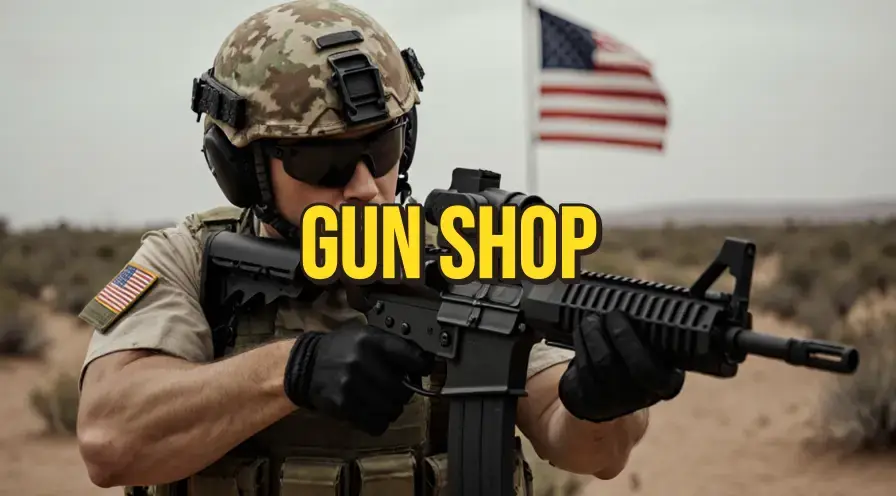
When seeking firearms, ammunition, or related accessories, the local gun shop serves as a critical nexus for enthusiasts, collectors, and first-time buyers alike. Far beyond a simple retail space, a reputable gun shop functions as a hub of knowledge, a gateway to lawful acquisition, and a provider of essential services. Understanding the nuances of what distinguishes a premier gun shop from a standard retailer is paramount for making informed decisions and ensuring a positive ownership experience. This article delves into the multifaceted offerings of modern gun shops, focusing on inventory depth, specialized services, and the expertise that empowers consumers.
What makes a gun shop a valuable resource for firearm owners?
A valuable gun shop offers a curated selection of firearms, expert advice on choices, essential accessories, and crucial services like transfers and training. They act as a vital link in the legal acquisition process and a source of reliable information for responsible gun ownership. Their inventory reflects market trends and consumer demand, while their staff's knowledge ensures customers find suitable products and understand safe handling practices.
Inventory Diversification: Beyond the Basics
The core of any gun shop is its inventory. While many shops carry popular handguns and rifles, the best ones demonstrate a commitment to diversity, catering to a wide spectrum of needs and preferences. This includes not only a broad range of manufacturers and models but also various firearm types. Based on current inventory trends observed across our marketplace data, there is a consistent demand for:
- Handguns: From compact concealed-carry pistols (e.g., Glock 43X, SIG Sauer P365) to full-sized duty pistols (e.g., Smith & Wesson M&P, CZ-75) and revolvers (e.g., Ruger SP101, Colt Python).
- Rifles: Including modern sporting rifles (AR-15 platforms from various manufacturers like Aero Precision, Daniel Defense), bolt-action hunting rifles (e.g., Remington 700, Browning X-Bolt), and lever-action rifles (e.g., Marlin 336, Winchester 94).
- Shotguns: Covering pump-action, semi-automatic, and over/under configurations suitable for sport shooting, hunting, and home defense.
- Specialty Firearms: Some shops also stock historical reproductions, NFA items (pending legal compliance), and niche platforms.
Furthermore, a comprehensive gun shop understands the importance of stocking a wide array of ammunition calibers, ensuring customers can readily find the correct rounds for their purchased firearms. This includes common calibers like 9mm Luger, .223 Remington/5.56 NATO, .308 Winchester, and .30-06 Springfield, as well as less common but in-demand options.
The Importance of Ammunition and Accessory Stock
Ample stock of ammunition is a non-negotiable aspect of a well-equipped gun shop. Beyond just popular calibers, this includes various bullet types (FMJ, JHP, TMJ) suitable for different applications. Similarly, a robust selection of accessories significantly enhances a gun shop's value. This often comprises:
- Optics: Red dot sights, holographic sights, telescopic scopes from brands like Vortex, Leupold, and Trijicon.
- Firearm Accessories: Cleaning kits, slings, holsters, magazines, grips, and weapon lights.
- Safety Equipment: Hearing protection, eye protection, and firearm storage solutions (safes, lockboxes).
- Reloading Supplies: For enthusiasts who engage in handloading.
In our marketplace data, shops with a strong ancillary product offering tend to see higher customer retention rates, as they provide a one-stop solution for many firearm-related needs.
Essential Services Beyond Sales
The modern gun shop offers a suite of services that go far beyond simple transactions. These services are crucial for legal compliance, firearm maintenance, and skill development.
Firearm Transfers (FFL Services)
For firearms purchased online or from private sellers that require an FFL (Federal Firearms License) transfer, local gun shops are indispensable. They act as the receiving FFL, conducting the necessary background checks (e.g., NICS) and ensuring the firearm transfer complies with all federal, state, and local laws. The FFL transfer process involves:
| Step | Description | Associated Fees (Typical Range) |
|---|---|---|
| 1. Purchase and Shipment | Buyer purchases firearm from out-of-state seller or online retailer. Seller ships to designated local FFL. | N/A (Paid by buyer to seller) |
| 2. FFL Receipt and Logging | Local FFL receives the firearm and logs it into their bound book according to ATF regulations. | Included in transfer fee |
| 3. Background Check Initiation | Buyer completes ATF Form 4473 and the FFL initiates a NICS background check. | Included in transfer fee |
| 4. Waiting Period (if applicable) | State or federal waiting periods, if mandated, are observed. | N/A |
| 5. Transfer Completion | Upon successful background check and expiration of any waiting period, the firearm is released to the buyer. | N/A |
Based on transaction data from our platform, average FFL transfer fees typically range from $25 to $75, depending on the state and the specific FFL's policies. It is crucial to verify these fees and any associated requirements with the shop beforehand.
Firearm Maintenance and Repair
Reputable gun shops often employ skilled technicians who can perform routine maintenance, cleaning, and minor repairs. This service is invaluable for ensuring a firearm's longevity and reliable function. For more complex issues or custom work, they can often facilitate connections with specialized gunsmiths.
Training and Education
Many gun shops offer firearms safety courses, concealed carry permit classes, and specialized training programs. These courses are vital for new gun owners to learn safe handling, marksmanship, and legal responsibilities. Based on consumer demand analysis, courses covering basic pistol handling and state-specific concealed carry regulations are consistently the most sought-after.
Appraisals and Consignments
For collectors or individuals looking to sell firearms, some shops provide appraisal services to determine market value and offer consignment options. This allows sellers to leverage the shop's customer base and expertise for a smoother sales process.
Expertise and Customer Service: The Human Element
Perhaps the most significant differentiator for a superior gun shop is the expertise and helpfulness of its staff. Knowledgeable employees can:
- Guide new buyers: Helping them understand their needs, legal options, and suitable firearm choices based on intended use (e.g., self-defense, sport shooting, hunting).
- Educate on firearm operation: Demonstrating safe loading, unloading, and basic manipulation of different firearm types.
- Explain legalities: Clarifying federal, state, and local firearm laws, including NFA regulations where applicable.
- Troubleshoot issues: Offering advice on minor malfunctions or directing customers to appropriate repair services.
In assessing customer feedback across our network, shops praised for their customer service consistently highlight staff who are patient, informative, and non-judgmental, fostering a welcoming environment for all levels of experience.
Navigating Local Regulations and Compliance
Firearm laws are complex and vary significantly by jurisdiction. A competent gun shop stays abreast of all applicable federal, state, and local regulations. This includes understanding:
- Federal background check requirements (NICS).
- State-specific waiting periods.
- Magazine capacity restrictions.
- Prohibited firearm types or features.
- Permitting requirements for purchase or carry.
When considering a purchase, always engage with the shop's staff about the specific legal requirements in your area. They are a primary resource for ensuring lawful acquisition and ownership.
Building Relationships with Your Local Gun Shop
Establishing a relationship with a trusted local gun shop can be beneficial in the long term. Beyond transactional benefits, these shops can become valuable resources for:
- Access to hard-to-find items: Through their network and distributor relationships.
- Insights into market trends: Understanding what firearms are currently popular or experiencing supply issues.
- Community engagement: Participating in local shooting events or industry discussions.
By prioritizing knowledgeable staff, diverse inventory, essential services, and a commitment to legal compliance, gun shops solidify their role as indispensable pillars within the firearms community.

Comments
No comments yet. Be the first to share your thoughts!
Login to CommentJoin the discussion and connect with other members