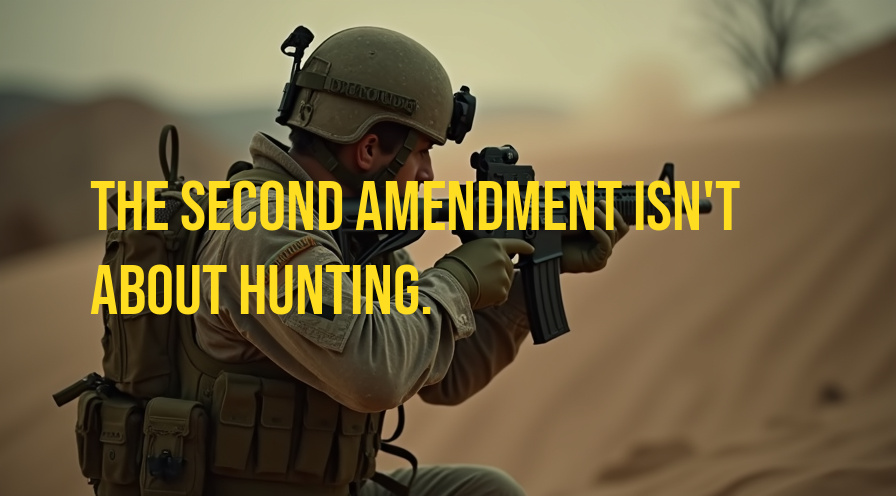
The Second Amendment guarantees the right to keep and bear arms, but its significance extends far beyond mere ownership. At its core, it is about responsibility—the duty to protect>
Rights and Responsibilities
Many perceive the Second Amendment as a historical artifact or a hunting privilege, overlooking its practical purpose: self-defense. As Tom Knighton notes, it includes defending against "the tyranny of a rampaging maniac intent on hurting and/or killing as many people as possible." Law enforcement plays a vital role, but they cannot be everywhere at>
The Derrick Perry Example
In Michigan, former Marine Derrick Perry used his legally concealed firearm to stop a mass stabbing, demonstrating the profound responsibility inherent in carrying a gun. Perry didn’t act as a vigilante; he acted as a protector. This illustrates that carrying a firearm requires conscious preparation, training, and a readiness to accept serious consequences. Learning how to legally purchase a gun is the first step toward responsible ownership.
Core Responsibilities of Concealed Carry
- Legal Knowledge: Fully understand state and local laws regarding self-defense, use of force, and where carrying is permitted.
- Proficiency: Regular training, including drawing from concealment, target practice, clearing malfunctions, and shooting under stress, is essential.
- Situational Awareness: Constantly monitor surroundings, identifying potential threats and avoiding danger whenever possible.
- Mental and Ethical Preparedness: Be ready for the legal and emotional consequences of using a firearm in self-defense.
The Mental Fortitude Required
Carrying a firearm is a mental commitment. As Tom Knighton emphasizes,>

Training Beyond the Range
- Force-on-Force Scenarios: Practice with non-lethal ammunition in realistic scenarios to experience the stress of violent encounters.
- De-escalation Techniques: Learn how to avoid confrontation whenever possible, using a firearm>
- Medical Preparedness: Acquire trauma training to address gunshot wounds and other critical injuries.
Engaging with a community of responsible owners, such as the American Gun Trader community, can enhance knowledge, provide training resources, and offer guidance on safely upgrading or transferring firearms, including how to sell a gun legally.
Conclusion: Accepting the Duty
The Second Amendment is more than a right; it is a responsibility to act with preparation, skill, and ethical judgment. Derrick Perry’s heroism exemplifies how a firearm can serve as a tool for profound good when wielded by a trained, conscientious citizen. Owning a gun is just the beginning—true responsibility means being ready to uphold life and liberty when it matters most. Are you prepared to accept that responsibility?


Comments
This article has 9 comments. Login to share your thoughts!
Login to CommentJoin the discussion and connect with other members