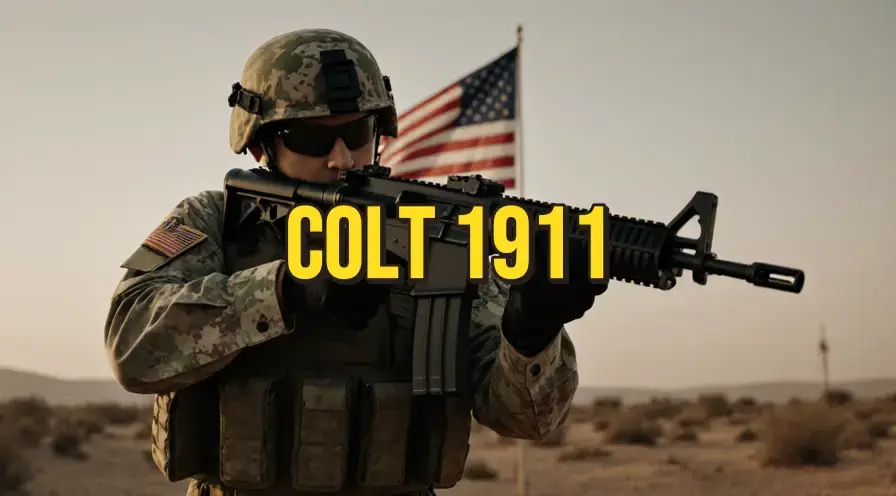
The Colt M1911 semi-automatic pistol, a design by John Browning, has achieved iconic status not only within American firearms history but also on a global scale. Its robust construction, intuitive handling, and formidable stopping power cemented its role as the standard-issue sidearm for the U.S. Armed Forces for over seven decades. Today, the platform continues to be manufactured by Colt and numerous other firearm companies, offering a diverse range of models that honor its heritage while incorporating modern enhancements.
What is the Colt 1911 platform and why is it significant?
The Colt 1911 platform refers to a series of semi-automatic pistols based on John Browning's original design, officially adopted by the U.S. Army in 1911. Its significance lies in its revolutionary design for its time, featuring a short recoil operating system, a powerful .45 ACP cartridge, and a grip safety. This platform set a benchmark for handgun design, influencing countless subsequent firearm models and remaining a popular choice for both military and civilian shooters due to its reliability and shootability.
The Genesis of a Legend: Browning's Vision
John Browning’s prolific career in firearm design culminated in what many consider his masterpiece: the Model 1911. The U.S. military's search for a more powerful and reliable sidearm than the revolvers then in service provided the impetus for its development. After rigorous testing and refinements, Browning’s design, chambered in the potent .45 ACP (Automatic Colt Pistol) cartridge, was officially adopted. Its success was not merely in its adoption, but in its unparalleled performance in the harsh conditions of World War I, solidifying its reputation for ruggedness and effectiveness.
Core Design Principles of the 1911
The enduring appeal of the 1911 platform stems from its fundamental design principles. At its heart is the short recoil operation, a sophisticated mechanism where the barrel and slide recoil together for a short distance before unlocking, allowing for efficient cycling and reliable extraction. The single-action trigger mechanism is another hallmark, providing a crisp, light pull that contributes to exceptional accuracy. Furthermore, the manual thumb safety and grip safety, while sometimes debated in terms of necessity by modern standards, were crucial safety features that contributed to its widespread acceptance and deployment. The traditional double-stack magazine, while a later innovation for some models, was not part of the original single-stack design.
Colt's Evolution of the 1911: From Military Standard to Civilian Staple
While Colt was the original manufacturer, the 1911 platform has since been embraced and adapted by a vast array of firearm manufacturers. Colt itself has continued to produce its own lines of 1911 pistols, ranging from faithful reproductions of the original models to highly modernized versions incorporating contemporary features. These modern Colt offerings often include upgraded sights, enhanced ergonomics, improved trigger systems, and different caliber options, catering to a wide spectrum of shooter preferences.
Key Colt 1911 Models and Their Distinctions
Colt's current lineup showcases the breadth of the 1911 platform's adaptability. The Colt Government Model, often considered the archetypal 1911, remains a cornerstone, typically chambered in .45 ACP. For those seeking a more compact option, the Colt Commander offers a slightly shorter barrel and grip, enhancing concealability without significantly sacrificing handling. The Colt Officer's ACP, even more compact, is designed for maximum discretion. Beyond these foundational models, Colt has introduced variations like the Rail Gun, featuring an accessory rail for lights and lasers, and specialized models tailored for competition or historical reenactment. Each model, while sharing the core 1911 DNA, offers distinct advantages based on intended use and user preference.
The .45 ACP Cartridge: A Defining Feature
The .45 ACP cartridge is inextricably linked to the 1911 platform. Developed by John Browning concurrently with the pistol, it was designed to deliver superior stopping power compared to smaller caliber rounds prevalent at the time. Its large, heavy bullet is known for its impressive ballistic performance, characterized by significant energy transfer and a lower velocity compared to many modern cartridges, which can result in less over-penetration. While other calibers have been adapted for the 1911 platform, such as 9mm Luger and .38 Super, the .45 ACP remains the cartridge most associated with the 1911's legacy and is a primary consideration for many enthusiasts.
Modern 1911 Platforms: Innovation and Adaptation
The 1911 platform has transcended its original military role to become a highly sought-after handgun in the civilian market, embraced by competitive shooters, collectors, and self-defense advocates alike. This widespread appeal has spurred innovation, with numerous manufacturers producing their own interpretations of the classic design. These modern iterations often incorporate features that enhance ergonomics, improve reliability, and cater to specific shooting disciplines.
Material and Manufacturing Advancements
Contemporary 1911 pistols benefit from advancements in materials science and manufacturing techniques. While traditional blued steel and walnut grips remain popular, many manufacturers now offer frames and slides constructed from lighter and more corrosion-resistant materials like aluminum alloys and stainless steel. Modern CNC machining allows for tighter tolerances, leading to improved accuracy and reliability. Furthermore, finishes have evolved beyond traditional bluing to include durable coatings like Cerakote and various forms of polymer or Tenifer treatments, offering superior protection against wear and the elements. Based on current inventory trends, stainless steel variants and those with advanced polymer coatings are increasingly prevalent in the market.
Ergonomic Enhancements and Customization
The ergonomics of the 1911, while lauded by many, have also been a focal point for modern enhancements. Many manufacturers offer models with slightly revised grip angles, extended magazine releases, and ambidextrous manual safeties to improve usability for a wider range of shooters. The aftermarket support for 1911 pistols is extensive, allowing for deep customization. Shooters can easily upgrade triggers for a lighter, crisper pull, replace sights for improved target acquisition, or modify grips for a more personalized fit. This vast ecosystem of aftermarket parts and accessories allows owners to tailor their 1911 to their precise needs and preferences.
Caliber Adaptations and Capacity Increases
While the .45 ACP remains the quintessential 1911 caliber, modern manufacturers have successfully adapted the platform to fire a variety of other cartridges. The 9mm Luger has become exceptionally popular, offering lower recoil and more economical ammunition, making it ideal for high-volume practice and competition. Other calibers like .38 Super, 10mm Auto, and even .380 ACP are also available in 1911-style pistols. In terms of capacity, while the original 1911 was designed with a single-stack 7-round magazine, many modern manufacturers now offer double-stack variants. These double-stack 1911s can hold significantly more rounds, with capacities often ranging from 14 to over 20 rounds in 9mm or .45 ACP, bridging the gap between traditional single-stack designs and modern high-capacity handguns.
Comparing Popular 1911 Variants
The diversity of the 1911 market means that choosing the right model can be a complex decision. Factors such as intended use, budget, and personal preference play a significant role. To aid in this selection process, a comparison of some popular variants, highlighting their key specifications, can be beneficial.
| Model | Manufacturer | Caliber(s) | Barrel Length | Overall Length | Weight (Unloaded) | Magazine Capacity (Standard) | Frame Material | Typical Use Case |
|---|---|---|---|---|---|---|---|---|
| M1911A1 (Reproduction) | Colt | .45 ACP | 5 inches | 8.25 inches | Approx. 39 oz | 7+1 | Steel | Historical, Collection |
| Government Model | Colt | .45 ACP, 9mm Luger | 5 inches | 8.25 inches | Approx. 39 oz | 7+1 (.45 ACP), 9+1 (9mm) | Steel | General Purpose, Defense |
| Commander | Colt | .45 ACP, 9mm Luger | 4.25 inches | 7.75 inches | Approx. 33 oz | 7+1 (.45 ACP), 9+1 (9mm) | Aluminum Alloy (traditional), Steel | Concealed Carry, Duty |
| Dan Wesson Guardian | Dan Wesson | .45 ACP, 9mm Luger | 4.25 inches | 7.75 inches | Approx. 32 oz | 7+1 (.45 ACP), 9+1 (9mm) | Aluminum Alloy | Concealed Carry |
| Springfield Armory RO Elite | Springfield Armory | .45 ACP, 9mm Luger | 5 inches | 8.5 inches | Approx. 40 oz | 7+1 (.45 ACP), 10+1 (9mm) | Steel | Competition, Duty |
| Kimber Ultra Carry II | Kimber | .45 ACP, 9mm Luger | 3 inches | 6.8 inches | Approx. 25 oz | 6+1 (.45 ACP), 7+1 (9mm) | Aluminum Alloy | Deep Concealed Carry |
Factors Influencing Purchase Decisions
In our marketplace data, several factors consistently emerge as primary drivers for 1911 purchases. Reliability is paramount, with a strong preference for models known for their consistent performance under various conditions. Accuracy is another key consideration, especially for those interested in competitive shooting or precision target practice. The feel and ergonomics of the pistol in hand are crucial for comfort and control during extended shooting sessions. Finally, the perceived value, which balances initial cost against features, build quality, and brand reputation, significantly influences buyer decisions. Based on current inventory trends, models offering a blend of traditional aesthetics with modern features at a competitive price point are seeing high demand.
Maintenance and Care for Your 1911
Proper maintenance is essential for ensuring the longevity and reliable performance of any firearm, and the 1911 platform is no exception. Regular cleaning and lubrication will prevent rust, corrosion, and malfunctions, keeping your pistol in optimal condition for years to come. Understanding the basic maintenance procedures for a 1911 is a straightforward process that any owner can master.
Routine Cleaning Procedures
A typical cleaning regimen for a 1911 involves field stripping the pistol to access its internal components. This usually includes removing the slide and barrel assembly. Using a cleaning rod, bore brush, and solvent, the barrel should be thoroughly cleaned, followed by the slide and frame. Pay close attention to the breech face, extractor, and ejector, as these areas can accumulate carbon fouling. After cleaning, a light application of gun oil or lubricant should be applied to critical friction points, such as the slide rails, barrel exterior, and locking lugs, to ensure smooth operation and prevent wear. Based on current inventory trends, owners often invest in specialized 1911 cleaning kits that include appropriate brushes and tools.
Lubrication Points and Best Practices
Proper lubrication is critical for the smooth cycling of the 1911's moving parts. Key areas to lubricate include the slide rails (both on the frame and slide), the barrel bushing (if applicable), the exterior of the barrel where it contacts the slide, the locking lugs on the barrel, and the trigger and sear engagement surfaces. It is generally recommended to use a high-quality gun lubricant or grease designed for firearms. Over-lubrication should be avoided, as excess oil can attract dirt and debris, potentially leading to malfunctions. Conversely, insufficient lubrication will increase friction and wear. A common recommendation is to apply a thin, even coat to each contact surface.
Storage and Safety Considerations
Safe storage of your 1911 is paramount. Firearms should always be stored unloaded and secured in a locked safe or case, separate from ammunition. When storing for extended periods, consider using a rust-inhibiting product on metal surfaces, especially if the firearm is stored in a humid environment. For models with wood grips, maintaining a stable humidity level can prevent warping or cracking. Regular inspection of the firearm for any signs of damage or corrosion is also advisable, even when stored. Adhering to all local and federal laws regarding firearm storage is a non-negotiable aspect of responsible gun ownership.
The Enduring Legacy and Future of the 1911
The Colt 1911 platform has demonstrated remarkable staying power in the firearms world. Its design has proven to be exceptionally adaptable, evolving from its military roots to become a dominant force in competitive shooting, personal defense, and the collector's market. The continued innovation from both Colt and a host of other manufacturers ensures that the 1911 remains relevant and highly desirable.
Why the 1911 Remains a Top Choice
The enduring appeal of the 1911 can be attributed to a confluence of factors. Its reputation for reliability, built over a century of service and use, instills confidence in its owners. The crisp, predictable single-action trigger is a significant advantage for accuracy-minded shooters. Furthermore, the platform's inherent balance and ergonomics often lead to a comfortable shooting experience, even with potent calibers like .45 ACP. The vast customization potential, allowing owners to create a truly personalized firearm, also contributes significantly to its ongoing popularity. In our marketplace data, the 1911 consistently ranks among the most searched and sought-after handgun platforms.
Future Innovations and Trends
Looking ahead, the 1911 platform is likely to continue its evolution. We can anticipate further integration of advanced materials, such as lightweight alloys and cutting-edge coatings, to enhance durability and reduce weight. Expect to see more emphasis on modularity, allowing for easier caliber conversions or grip frame swaps. The trend towards increased magazine capacity in single-stack-like profiles might also continue. Furthermore, as smart gun technology matures, it's conceivable that future 1911 variants could incorporate these safety features. The adaptability of the 1911 design suggests it will remain a relevant and competitive offering for the foreseeable future.

Comments
No comments yet. Be the first to share your thoughts!
Login to CommentJoin the discussion and connect with other members