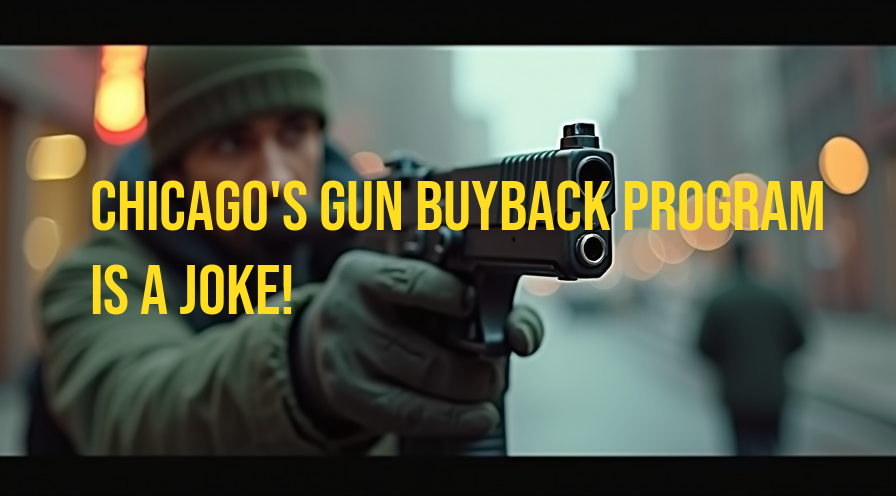
When a city sponsors a gun buyback program, the goal is supposedly to take firearms off the streets to make the community safer. But what happens when that same program allegedly puts a weapon directly into the hands of a criminal? That's the center of a shocking lawsuit against the City of Chicago, where a woman was shot with a pistol that should have been in police custody after being turned in at a gun buyback event. This case raises serious questions about the effectiveness and security of these programs and highlights the stark differences between government confiscation and responsible private gun sales.
The Shocking Story of a Gun Buyback Gone Wrong
In what sounds like a plot from a crime drama, a Chicago woman named Twanda Willingham is suing the city's police department. She alleges that the department's negligence led to her being shot in the leg with a Glock 21 pistol. The weapon, instead of being destroyed or secured, found its way back into criminal hands, prompting legal action.
From Church Buyback to Street Crime
The Glock 21 was handed over to the Chicago Police Department during a "buyback" held at St. Sabina Church. According to the lawsuit, the pistol never made it to the evidence vault. Instead, it vanished from the Gresham District police station after officers at the event commented on its pristine condition. The lawsuit claims that the gun was mishandled and improperly documented.
The details are alarming. An inventory tag for the Glock was allegedly swapped or misplaced, creating a loophole that allowed the firearm to leave official custody.

Allegations of Cover-Up and Corruption
The story takes an even darker turn with allegations of a widespread cover-up. Willingham's lawsuit names Sgt. Robert Brown, who was in charge of the buyback, and other "unknown" officers as defendants. Sgt. Brown allegedly failed to secure the firearms properly, leading to a criminal being armed with the Glock.
Journalist Cam Edwards of Bearing Arms powerfully summarizes the inherent risk of these programs. He notes that while they fail to reduce crime, they create a perfect storm for corruption.
"They do, however, provide crooked cops with the opportunity to pick up a new gun using a five-fingered discount; either to keep for themselves or to sell on the street."
– Cam Edwards
This lawsuit suggests that the gun buyback didn't just fail to make Chicago safer—it may have actively made it more dangerous by arming a violent teenager and putting a desirable, high-caliber pistol back into circulation.
Are Gun Buyback Programs a Flawed Solution?
The Chicago case is a dramatic example, but it points to fundamental flaws in gun buyback programs. Proponents claim they reduce gun violence, but the evidence to support this is thin to non-existent. In fact, these programs are often criticized for several key reasons:
- Wrong Source: They often collect guns from individuals who are least likely to be involved in crime, such as elderly citizens turning in old family heirlooms. Criminals are not typically lining up to exchange their tools of the trade for a gift card.
- Wrong Guns: The firearms turned in are often old, broken, or undesirable models that are not commonly used in violent crimes. The Glock 21 in this case was a notable exception, which is likely why it was targeted for theft.
- No Impact on Crime: Major studies have failed to find any statistical evidence that gun buybacks reduce homicide or suicide rates. The supply of firearms on the black market is so vast that these programs barely make a dent.
- Potential for Corruption: As this lawsuit alleges, gathering valuable firearms with taxpayer money creates a tempting opportunity for theft and illegal sales. The city's long list of problems just got longer, and it seems their attempt to fix these issues created more risks.
The Risk of Internal Theft and Black Market Sales
When a firearm is turned over to law enforcement, it enters a long chain of custody with multiple points of failure. The Chicago incident shows how easily a desirable firearm can be stolen and funneled back to the streets. This isn't a victimless crime; it's a direct threat to public safety, funded by the public itself. Instead of relying on a broken system, gun owners need a secure and responsible way to transfer firearms they no longer need.
The Smarter Alternative: Safe Private Gun Sales
For gun owners who wish to part with a firearm, there is a much better way than a gun buyback. Responsible private gun sales ensure that firearms are transferred safely, legally, and to law-abiding citizens. Platforms dedicated to this purpose offer a secure environment that government-run programs simply cannot match.
Why Reputable Gun Classifieds Are a Better Choice
Using a dedicated platform like American Gun Trader connects responsible buyers and sellers, ensuring transparency and accountability. These platforms empower owners to get fair market value for their property while following all applicable laws for firearm transfers. Learning how to sell a gun safely and legally is the first step toward responsible firearm ownership and transfer.
Unlike a buyback where a valuable Glock can disappear, a private sale requires proper documentation and often involves a Federal Firearms License (FFL) holder to facilitate the transfer. This process creates a paper trail that ensures the firearm is legally accounted for, rather than vanishing into a black hole of bureaucracy and corruption. For those looking to add to their collection, understanding how to buy a gun through these channels is equally important for a safe and legal transaction.
Conclusion: Take Control of Your Firearm Transactions
The lawsuit in Chicago is a powerful indictment of the gun buyback model. It reveals a system vulnerable to corruption that can endanger the very people it claims to protect. Handing your firearm over to the government provides no guarantee of safety and relinquishes your control and your property for a token amount.
Don't leave your safety and the legal transfer of your property to chance. Whether you are looking to sell an old firearm or purchase a new>


Comments
This article has 9 comments. Login to share your thoughts!
Login to CommentJoin the discussion and connect with other members