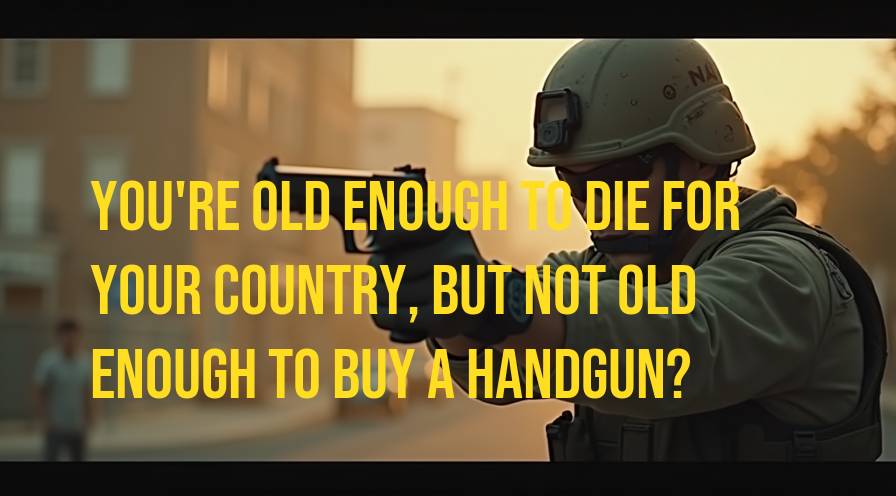
The right to keep and bear arms is>
The Battle Over Handgun Sales: A Tale of Two Circuits
The core of the issue revolves around federal law that prohibits licensed dealers (FFLs) from selling handguns to adults aged 18, 19, and 20. While these individuals can legally own handguns in many states and can purchase them through private sales, they are barred from buying them from any federally licensed gun store. Several lawsuits, backed by prominent gun rights organizations, argue that this age-based restriction is an unconstitutional infringement on the Second Amendment. The National Rifle Association, Second Amendment Foundation (SAF), and Firearms Policy Coalition have all been active in bringing these challenges forward, leading to conflicting rulings in the lower courts.
This conflict, known as a "circuit split," is often a key reason for the Supreme Court to intervene. When>
The Fourth Circuit's Ruling: A Nod to "Regulatory Tradition"
A recent and pivotal decision came from the Fourth Circuit Court of Appeals in the combined cases of McCoy v. ATF and West Virginia Citizens Defense League v. ATF. The court upheld the federal ban on commercial handgun sales to under-21s, arguing that it aligns with the nation's historical "regulatory tradition." Judge Harvie Wilkinson, writing for the 2-1 majority, reasoned that at the time of the nation's founding, individuals under 21 were considered "infants" for legal purposes like contracts. The court's logic was that since young adults weren't legally bound by contracts, a restriction on their ability to purchase handguns from a commercial dealer was justifiable. This ruling essentially suggests that despite 18 being the modern age of majority, historical precedents concerning legal infancy can still be used to limit Second Amendment rights.
The Dissenting Opinion: A Question of Historical Analogues
The dissenting judge in the Fourth Circuit case offered a sharp rebuke, highlighting a critical flaw in the majority's reasoning. The judge argued that the historical rule about infants and contracts was designed to protect minors from being exploited, not to impose a government burden on their ability to enter into agreements. 
What's at Stake for Young Adults and Second Amendment Rights?
The implications of these cases are monumental. At 18, American citizens can vote, enlist in the military, and enter into contracts. Yet, under current federal law, they are denied the ability to purchase what SAF Executive Director Adam Kraut calls the "quintessential self-defense weapon"--the handgun. This creates a class of adults who are trusted with a rifle in defense of their country but not with a handgun for the defense of their own homes. It's a contradiction that gun rights advocates find legally and logically indefensible.
"Young adults shouldn't be written out of the Constitution by Congress, state legislators, or unelected federal judges."
– Cam Edwards
This quote powerfully captures the emotional core of the debate. It's not just about firearms; it's about ensuring that the constitutional rights of all adults are recognized and protected equally. Stripping away these rights from>

Comments
This article has 8 comments. Login to share your thoughts!
Login to CommentJoin the discussion and connect with other members