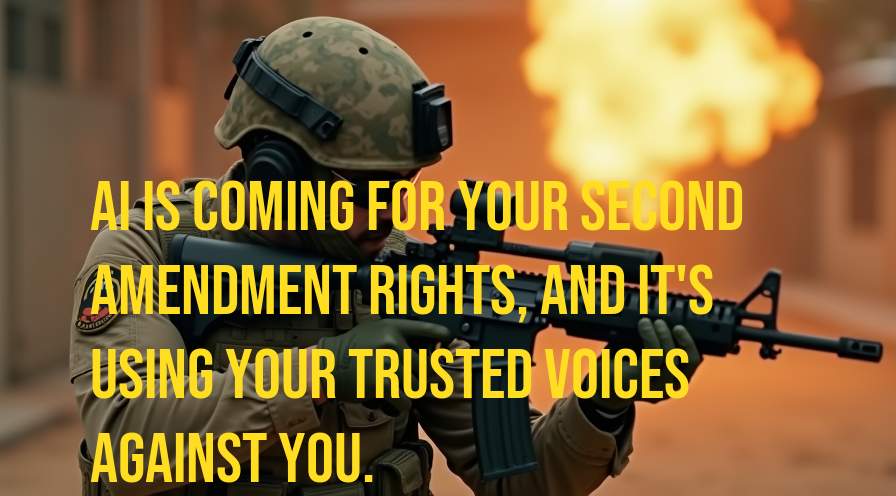
Imagine your phone buzzes. It's a video call from your local sheriff, someone you know and trust. He looks stressed, explaining that a new law just passed, and your standard-capacity magazines are now illegal. He tells you there's a local drop-off point for their destruction. For a split second, you might even consider it. This scenario is no longer science fiction; it's the new reality of digital warfare against gun owners. Artificial Intelligence is being weaponized to create deepfake messages aimed at tricking law-abiding citizens, representing a serious threat to Second Amendment rights.
The New Digital Battlefield: Vishing and Smishing Explained
While most of us are familiar with email phishing scams, the game has changed. The Federal Bureau of Investigation (FBI) is now tracking sophisticated campaigns that use text messages and voice calls, powered by AI, to deceive people. These methods are known as "smishing" and "vishing." The source article we're referencing explains these terms based on an FBI bulletin, providing a clear picture of what we're up against.
What is Smishing?
According to the FBI, smishing involves the malicious targeting of individuals through Short Message Service (SMS) or Multimedia Message Service (MMS) text messages. Scammers use these texts to send links that can install malware on your phone or direct you to fraudulent websites designed to steal your personal information. For a gun owner, this could be a fake message about a new firearm regulation with a link to a phony registration site.
What is Vishing?
Vishing takes the threat to a whole new level by using voice calls or voice memos. This is where AI becomes particularly dangerous. The FBI warns that malicious actors are increasingly using AI-generated audio to impersonate well-known public figures or even personal contacts. The voice can sound nearly identical to the real person, making the scam incredibly believable. This is the tactic that could be used to impersonate a police chief or politician to trick gun owners into surrendering their property.
"The false AI message was meant for those who are far less informed, and it will produce exactly what its creators intended."
– Lee Williams
This quote from investigative journalist Lee Williams powerfully captures the essence of the threat. These campaigns are not aimed at seasoned experts who frequent sites like American Gun Trader. They are designed for mass deployment, targeting those who may not be up-to-date on every nuance of gun law but are trying their best to remain compliant. The goal is to create chaos and confusion, ultimately undermining the Second Amendment by turning law-abiding citizens into unwitting participants in their own disarmament.
Real-World Examples: This is Happening Now
This isn't just a hypothetical threat. High-profile officials are already being impersonated. The State Department recently issued a warning to every U.S. Embassy about a deepfake video of Secretary of State Marco Rubio. The fake messages were sent via text and Signal to governors, U.S. Senators, and foreign ministers. Before that, President Trump's chief of staff, Susie Wiles, was also targeted in an AI deception campaign. If they can successfully target high-ranking government officials, the average gun owner is certainly on their radar.
The primary motivation for many of these attacks has been financial fraud. However, as the technology becomes more accessible, it will inevitably be used for political and ideological purposes. The gun-owning community, a passionate and clearly defined demographic, is a prime target for those who wish to erode Second Amendment rights. It's not a stretch to imagine anti-gun groups using AI to spread misinformation and fear. We've seen them try to manipulate every other medium; this is just the next logical step.

How The FBI Recommends You Spot a Fake
Thankfully, we are not defenseless. While AI is rapidly improving, there are still ways to detect these fraudulent messages. The FBI has provided guidance on what to look for. Staying vigilant and knowing the signs can make all the difference in protecting yourself and your firearms.
Tips for Identifying AI Scams:
- Look for Imperfections: In videos, check for distorted hands or feet, unrealistic facial features, and unnatural movements. Accessories like glasses or jewelry may also appear distorted. Pay attention to irregular shadows and watermarks.
- Listen Closely: With audio messages or calls, listen for unusual tone, pacing, or word choice. While AI voice cloning is very good, it can sometimes sound flat or lack the normal emotional inflections of human speech. Any unusual lag time can also be a red flag.
- Verify the Source: Do not respond to the suspicious message directly. Find an official phone number for the person or agency supposedly contacting you and call them to verify the message's authenticity.
- Be Skeptical of Urgency: Scammers often create a false sense of urgency to pressure you into acting without thinking. Any message demanding immediate action regarding your firearms should be treated with extreme suspicion.
- Question the Premise: Always be skeptical of unsolicited messages about gun laws, especially those that claim a common item has suddenly become illegal overnight. Such changes are typically subject to lengthy legislative and judicial processes. Before taking any action, consult a trusted Gun Store or FFL holder.
The Future Fight for Firearm Freedom
The fight to protect our Second Amendment rights is evolving. It is no longer confined to the statehouse or the courts; it has expanded to the digital world. The internet is filled with legitimate platforms like gun classifieds and forums where enthusiasts gather, but it's also where misinformation can spread like wildfire. Scammers are hoping to catch you with your guard down. They are counting on the fact that you won't double-check a convincing message. It's a numbers game for them, but for us, it's about protecting our constitutional rights.
Navigating the complexities of firearm ownership requires diligence, from knowing how to legally buy a firearm to understanding how to safely sell a gun. Now, it also requires a new level of digital literacy. These AI threats are a stark reminder that our community must remain united and informed. We can't let them turn our own technology against us. Frankly, they should keep their fake calls off our *armslist*.
Conclusion: Stay Vigilant, Stay Informed
The weaponization of AI through vishing and smishing campaigns is a serious threat to every gun owner and a direct assault on the Second Amendment. Scammers and anti-gun activists now have the power to create highly convincing fake messages designed to deceive and disarm. By understanding their tactics and learning how to spot the fakes, we can protect ourselves and our community from these digital attacks.
Do not let fear or misinformation dictate your actions. Always verify information through trusted sources, and be skeptical of any message that demands immediate compliance regarding your firearms. Share this article with fellow gun owners to ensure they are also aware of this growing threat. Stay informed, stay vigilant, and continue to find trusted resources and great deals at American Gun Trader.


Comments
This article has 8 comments. Login to share your thoughts!
Login to CommentJoin the discussion and connect with other members